
6 min read · Research education
GLP-1 Research Peptides Explained: The Incretin Class
Retatrutide, tesamorelin, and related compounds belong to a class studied for metabolic signaling. Here's the receptor biology behind the “GLP-1” label.
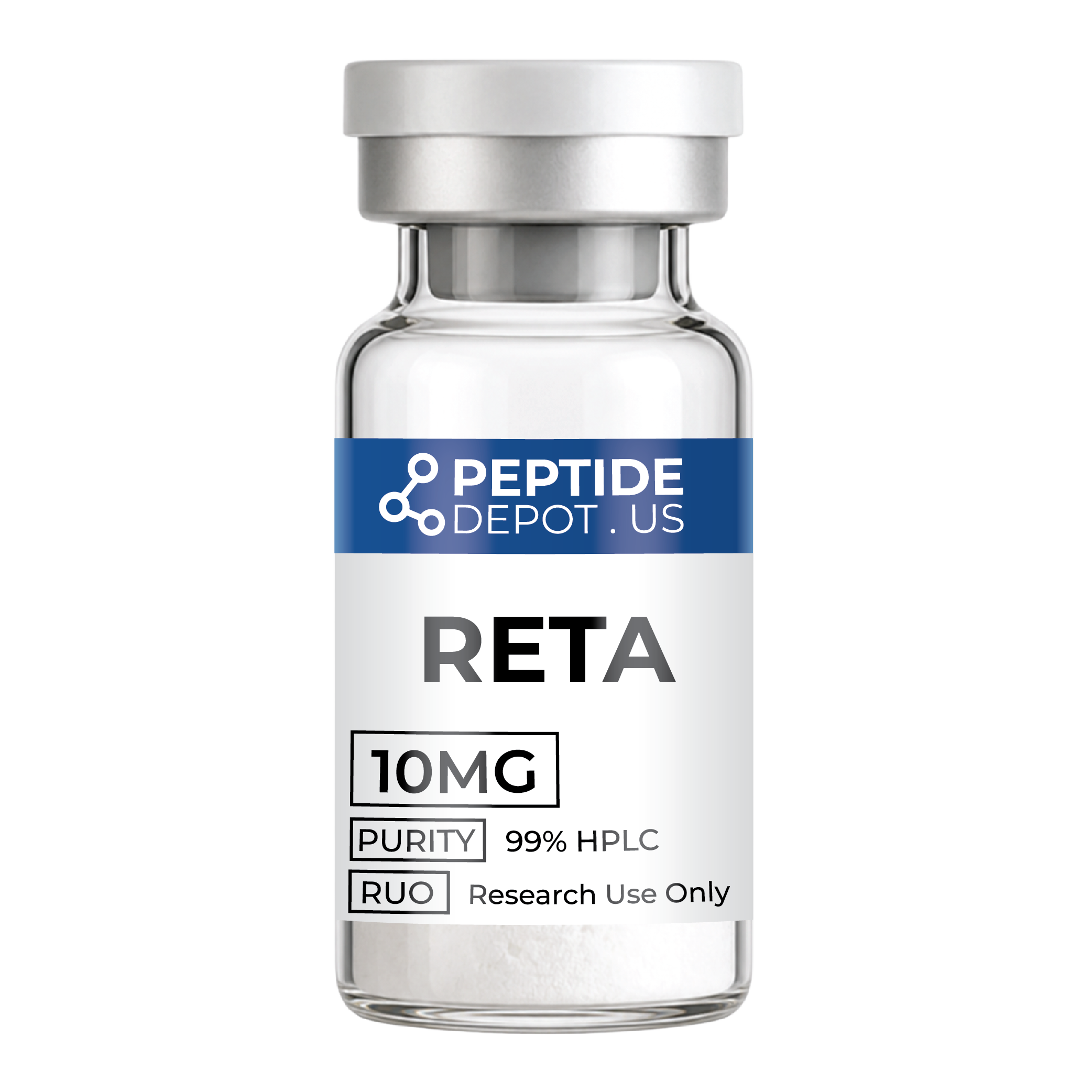
“GLP-1 peptides” is shorthand for a class of research compounds studied for their interaction with incretin receptors — the receptors that, in human physiology, are involved in metabolic and glucose-regulation signaling. This article explains the receptor biology that gives the class its name, framed strictly as laboratory research.
What GLP-1, GIP, and glucagon receptors are
GLP-1 (glucagon-like peptide-1) and GIP (glucose-dependent insulinotropic polypeptide) are incretin hormones; glucagon is a counter-regulatory hormone. Each acts on its own receptor. Research peptides in this class are characterized by which of these receptors they engage — some are single-receptor agonists, others are dual or triple agonists.
Single, dual, and triple agonists
- Single-receptor research peptides engage one receptor (for example, GLP-1).
- Dual agonists engage two receptors (for example, GLP-1 and GIP).
- Triple agonists engage three — GLP-1, GIP, and glucagon. Retatrutide is studied as a triple-receptor research peptide.
What is studied
In research models, compounds in this class are examined for their effects on receptor signaling, insulin-sensitivity pathways, and energy-regulation mechanisms in vitro. The breadth of receptor engagement (single vs. dual vs. triple) is a primary variable researchers compare.
As with all peptides on this site, these are research compounds. Nothing here describes weight, appetite, or metabolic effects in people; the literature referenced concerns controlled experimental systems, and the material is not for human consumption.
Related compounds on this site
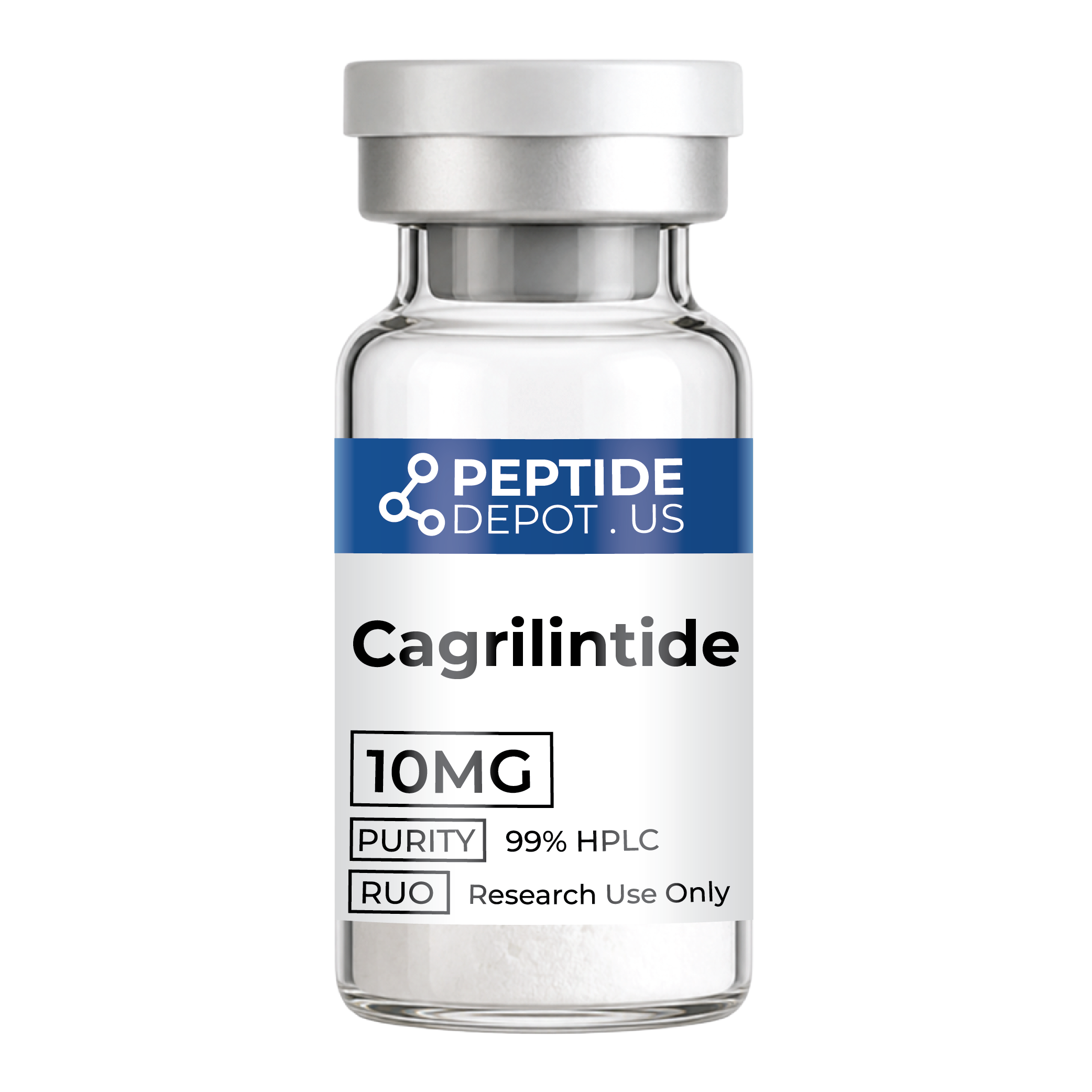
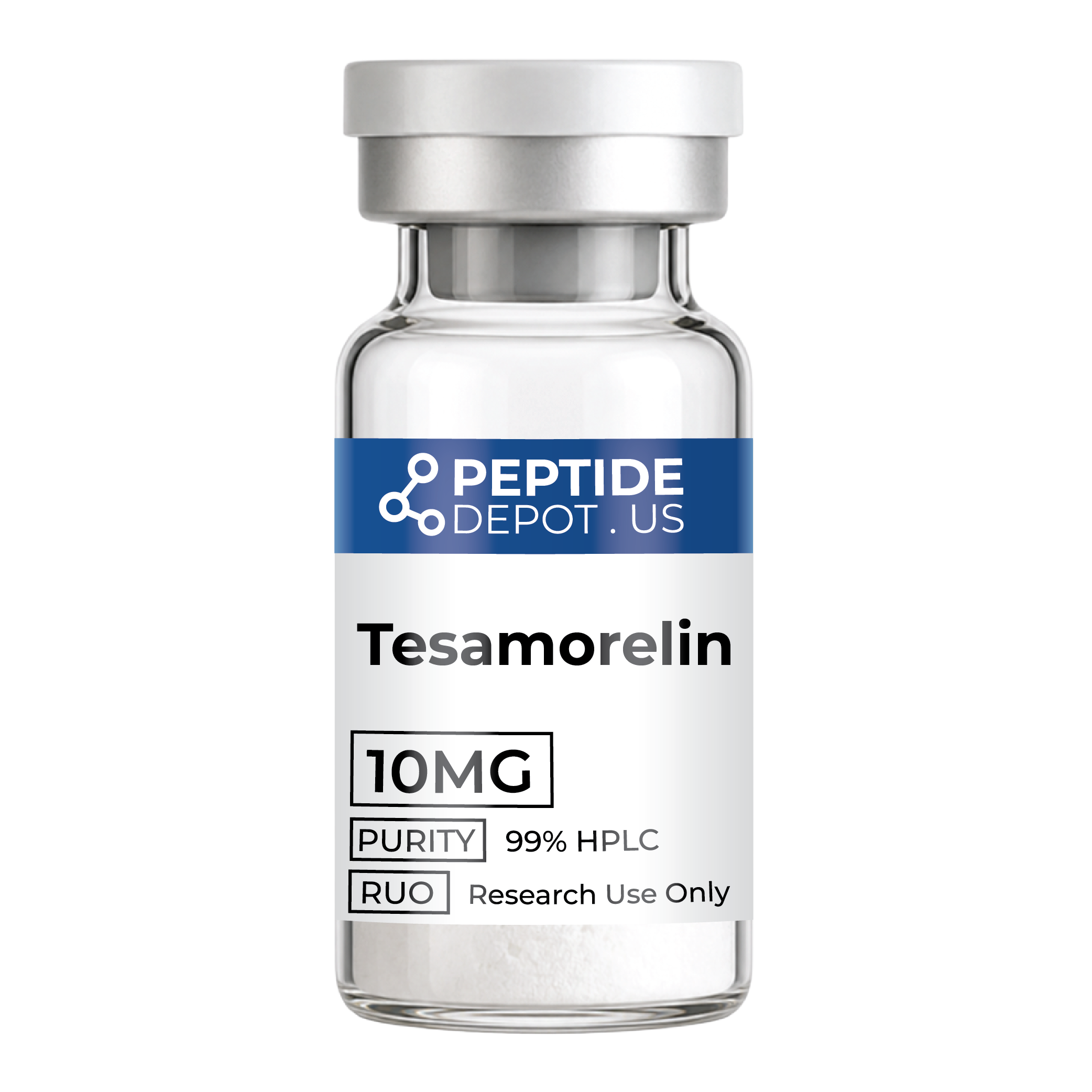
Beyond the incretin receptors, several growth-hormone-axis research peptides — such as tesamorelin and sermorelin (GHRH analogs) — are studied for endocrine signaling and are sometimes grouped with metabolic research more broadly. Cagrilintide, an amylin analog, is studied for satiety-signaling pathways.
Frequently asked questions
What is a triple-receptor research peptide?
It is a peptide studied for its interaction with three receptors at once — in the incretin class, the GLP-1, GIP, and glucagon receptors. Retatrutide is studied as a triple agonist.
Are GLP-1 research peptides the same as prescription medications?
No. Research peptides are supplied for laboratory use only, are not approved drugs, and are not for human or veterinary use.
Related research peptides
This article is provided for educational and research-context purposes only and does not constitute medical, dosing, or human-use guidance. All products referenced are sold by Peptide Depot strictly for laboratory research use only and are not for human or veterinary consumption.