
5 min read · Research education
Understanding Peptide Purity and Certificates of Analysis
“≥99% pure” and “third-party tested” appear on every research peptide listing. Here's what those terms mean and how to actually read a COA.
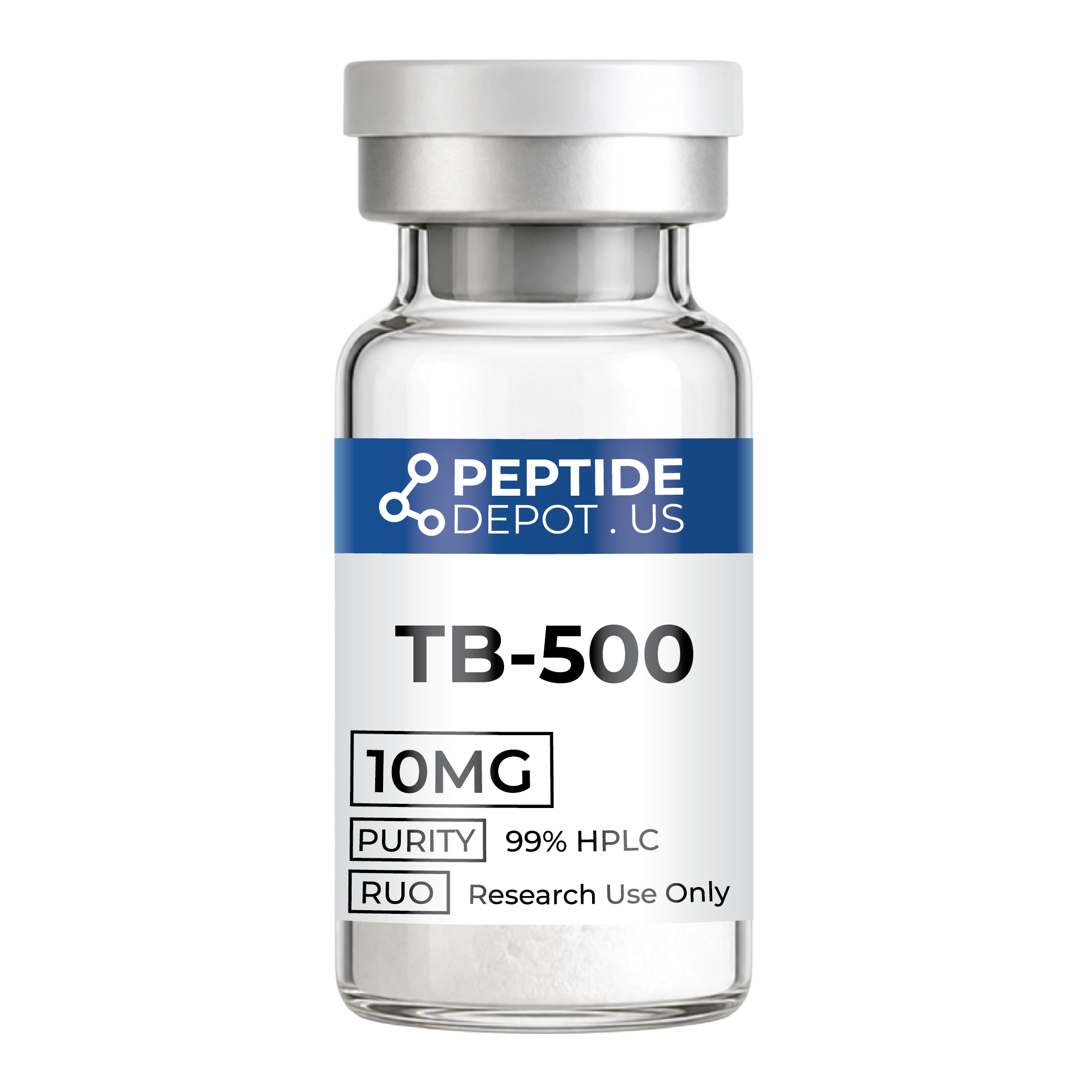
Purity is the single most important quality metric for a research peptide, because impurities — truncated sequences, deletion products, or residual synthesis reagents — can confound experimental results. Understanding how purity is measured and documented helps researchers compare suppliers on something more meaningful than price.
How purity is measured: HPLC
High-performance liquid chromatography (HPLC) separates the components of a sample as they pass through a column. The target peptide appears as a peak, and impurities appear as additional peaks. Purity is reported as the area of the main peak as a percentage of all peaks. A “≥99%” specification means the target peptide accounts for at least 99% of the detected material by this method.
How identity is confirmed: mass spectrometry
HPLC tells you how much of the sample is one dominant species, but not what that species is. Mass spectrometry (MS) measures the molecular weight of the peptide and confirms it matches the expected sequence. A COA that reports both HPLC purity and an MS-confirmed mass gives confidence in both purity and identity.
Reading a certificate of analysis
- Product name and batch / lot number — ties the document to a specific production run
- HPLC purity (%) — the headline purity figure
- Mass spectrometry result — confirms the molecular weight / identity
- Endotoxin level — relevant for sensitive cell-culture work
- Appearance and net peptide content — physical description and quantity
Why “third-party tested” matters
An in-house COA is produced by the manufacturer; a third-party COA is produced by an independent laboratory. Independent verification reduces the risk of conflicts of interest and is a stronger signal of quality. When a supplier publishes batch-specific COAs that a buyer can match to the lot they received, the documentation is verifiable rather than decorative.
Frequently asked questions
What does ≥99% purity mean for a peptide?
It means that by HPLC analysis, the target peptide accounts for at least 99% of the detected material in the sample, with impurities making up the remainder.
What is a peptide certificate of analysis (COA)?
A COA is a batch-specific document reporting a peptide's identity and quality — typically HPLC purity, a mass-spectrometry identity confirmation, endotoxin level, and appearance.
Related research peptides
This article is provided for educational and research-context purposes only and does not constitute medical, dosing, or human-use guidance. All products referenced are sold by Peptide Depot strictly for laboratory research use only and are not for human or veterinary consumption.