
5 min read · Research education
What Is GHK-Cu (Copper Peptide)? Research Overview
GHK-Cu is a naturally occurring copper tripeptide widely studied in research for its role in gene expression and tissue remodeling. Here's the overview.
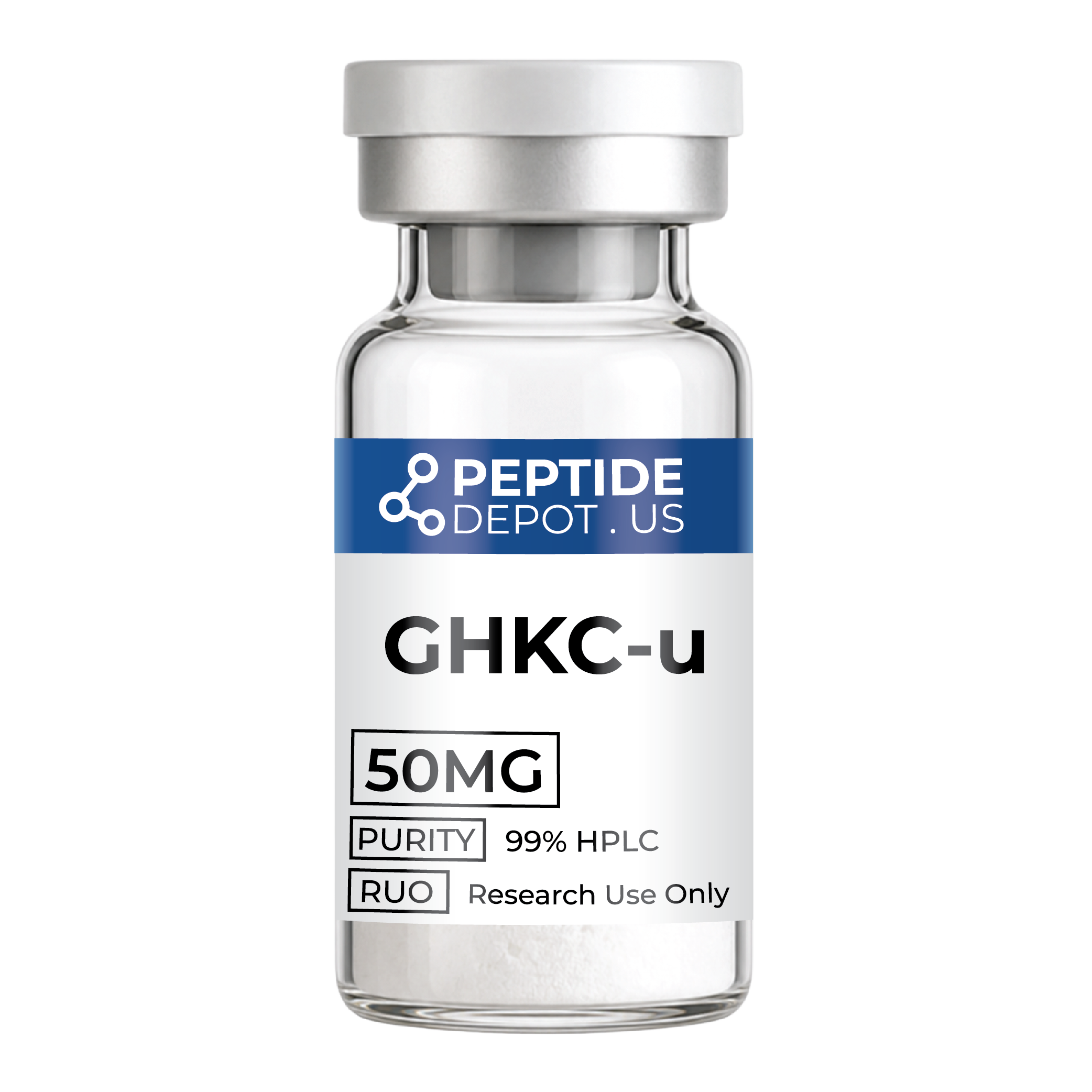
GHK-Cu, often called the “copper peptide,” is a tripeptide composed of glycine, histidine, and lysine (Gly-His-Lys) bound to a copper ion. It occurs naturally in human plasma and other biological fluids, and its concentration is known to decline with age — a fact that has made it a frequent subject of research. It carries the CAS number 89030-95-5.
Structure
- Tripeptide sequence: Gly-His-Lys
- Complexed with a copper (Cu²⁺) ion
- CAS 89030-95-5, molecular formula C₁₄H₂₃CuN₆O₄
- Naturally present in plasma; studied as a synthetic research peptide
What the research examines
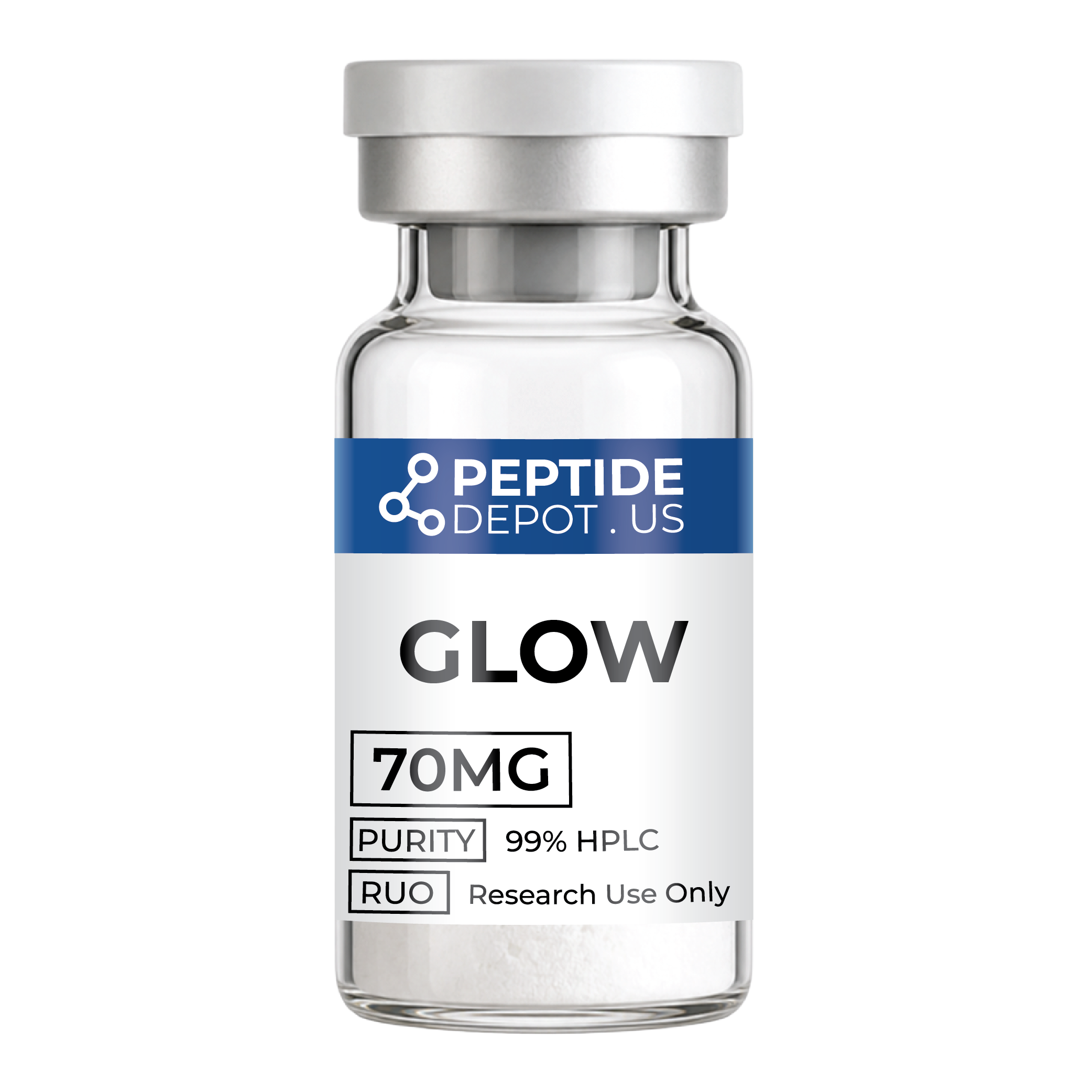
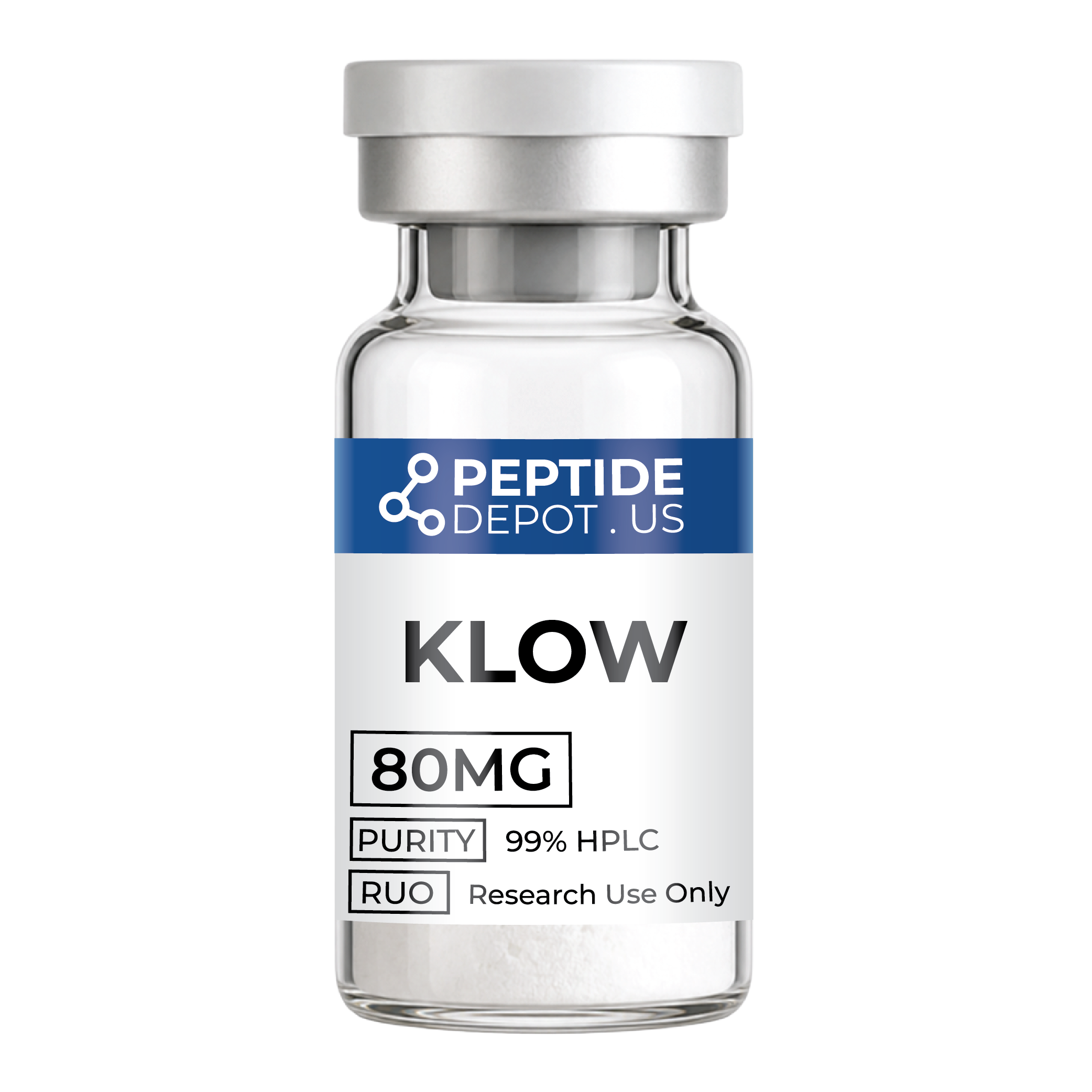
In laboratory research, GHK-Cu is studied for its role in protein regulation, gene expression, and cellular signaling. A large body of in vitro work examines its influence on extracellular-matrix and collagen activity, tissue-remodeling pathways, and oxidative-stress response, which is why it appears in skin-model and cellular-repair research. It is also a component of research blends such as GLOW and KLOW.
Frequently asked questions
What does GHK-Cu stand for?
GHK refers to the tripeptide sequence glycine-histidine-lysine; the “Cu” denotes the bound copper ion.
Is GHK-Cu naturally occurring?
Yes — it occurs naturally in human plasma. Research-grade GHK-Cu is the synthetic equivalent, supplied for laboratory research use only.
Related research peptides
This article is provided for educational and research-context purposes only and does not constitute medical, dosing, or human-use guidance. All products referenced are sold by Peptide Depot strictly for laboratory research use only and are not for human or veterinary consumption.