
4 min read · Research education
What Is Glutathione? Antioxidant Research Overview
Glutathione is a tripeptide and the cell's principal antioxidant, widely studied in redox and cellular-defense research. Here's the overview.
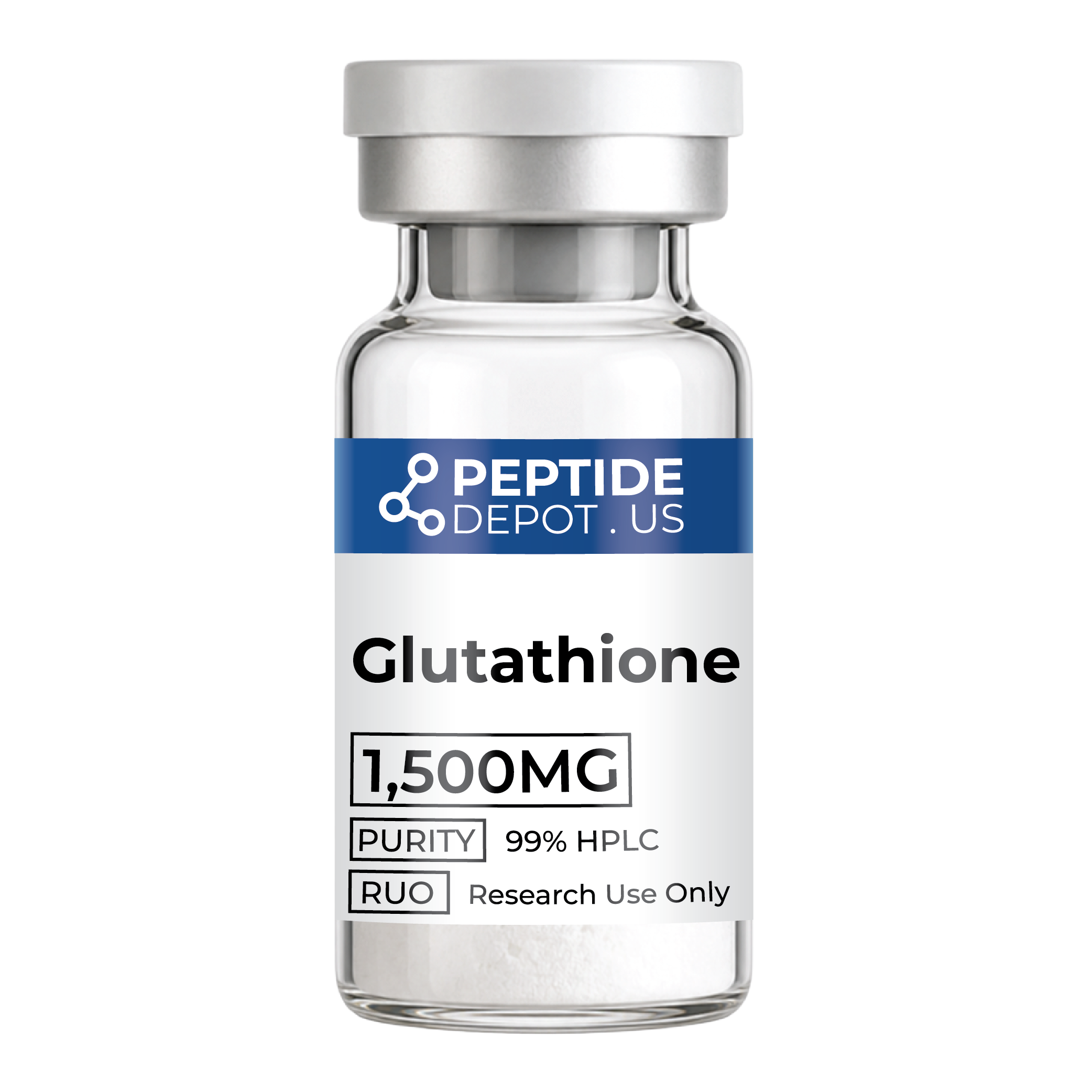
Glutathione is a tripeptide composed of glutamate, cysteine, and glycine. Found in virtually every cell, it is often called the body's “master antioxidant” and is a central subject of redox-biology research.
What the research examines
Glutathione's reactive thiol group lets it neutralize reactive oxygen species and participate in the cell's antioxidant defense system, cycling between reduced (GSH) and oxidized (GSSG) forms. In laboratory research it is studied for its role in oxidative-stress response, detoxification pathways, and cellular redox balance. It is supplied strictly for research use only and is not for human consumption.
Frequently asked questions
What is glutathione made of?
It is a tripeptide of glutamate, cysteine, and glycine.
Why is glutathione called the master antioxidant?
Because it is the cell's principal antioxidant, central to neutralizing reactive oxygen species in redox research models.
Related research peptides
This article is provided for educational and research-context purposes only and does not constitute medical, dosing, or human-use guidance. All products referenced are sold by Peptide Depot strictly for laboratory research use only and are not for human or veterinary consumption.