
5 min read · Research education
Storing and Handling Research Peptides in the Lab
Peptide stability depends heavily on storage. Here's how lyophilized powder and reconstituted solution differ, and how to avoid degradation.
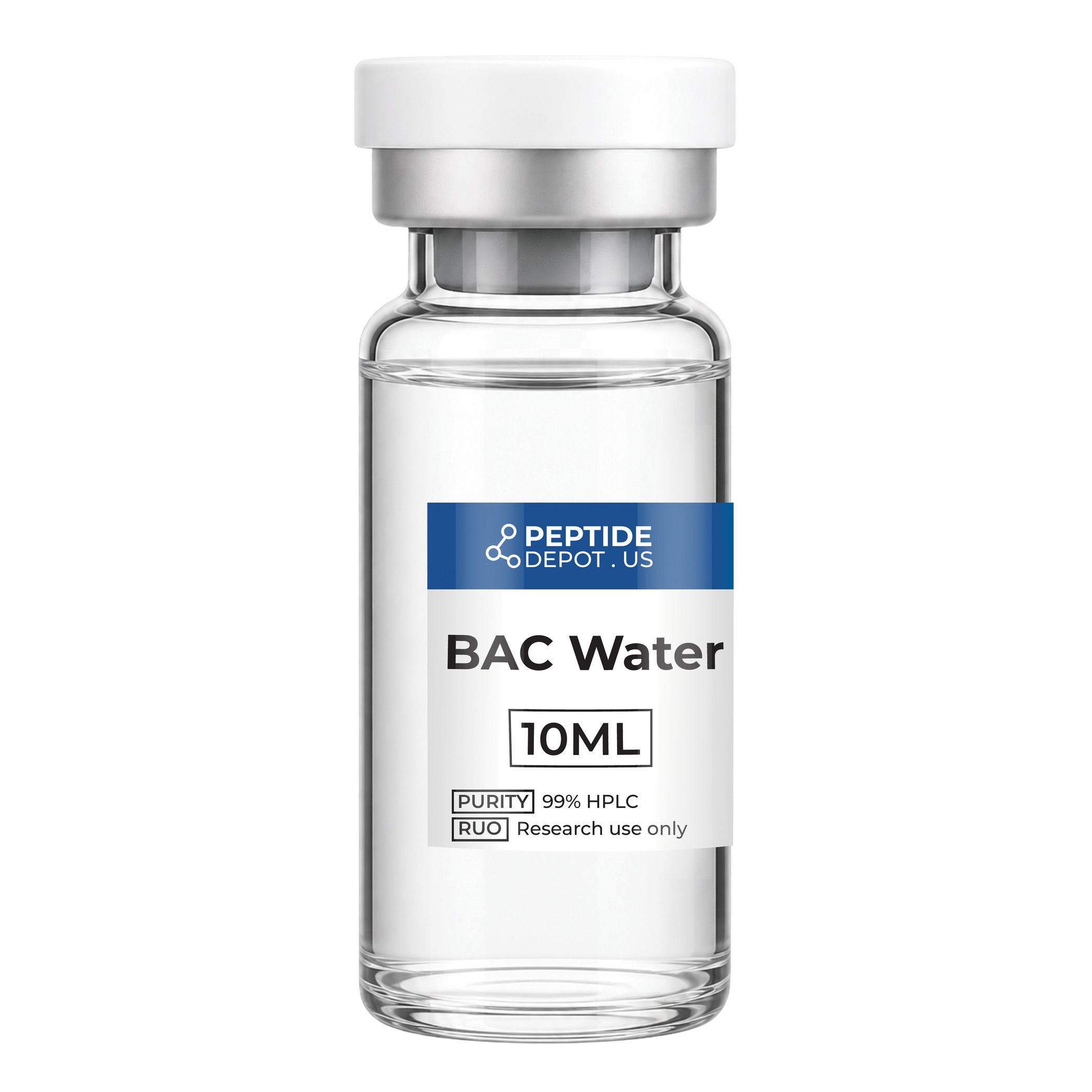
Peptides are sensitive molecules, and their stability in the lab depends on how they're stored. The single biggest factor is whether the peptide is dry (lyophilized) or in solution (reconstituted). These notes cover general laboratory handling for in vitro research material.
Lyophilized (dry) peptide
In its freeze-dried form, peptide is at its most stable. Sealed lyophilized vials are commonly stored frozen (for example, at −20 °C or colder) and kept away from light and moisture. Under these conditions many peptides remain stable for long periods. Letting a vial reach room temperature before opening helps minimize condensation, which introduces moisture.
Reconstituted (in-solution) peptide
Once dissolved, a peptide is far less stable and is generally refrigerated and protected from light, then used within a limited window. Reconstitution with bacteriostatic water (0.9% benzyl alcohol) extends the usable period compared with plain sterile water by limiting microbial growth.
Avoiding degradation
- Minimize freeze-thaw cycles — repeated cycling stresses peptides. Aliquoting before freezing lets you thaw only what you need.
- Keep solutions cold and dark; light and heat accelerate breakdown.
- Avoid vigorous shaking, which causes foaming and shear stress.
- Label aliquots with date and concentration so older material is used first.
General shelf-life expectations
Exact stability varies by sequence, so a manufacturer's documentation is the authoritative source. As a general pattern, well-stored lyophilized peptide lasts substantially longer than reconstituted solution. When in doubt, treat reconstituted material as having a short working life and prepare fresh solution for critical assays.
Frequently asked questions
How should lyophilized peptides be stored?
Sealed lyophilized peptide is generally stored frozen, away from light and moisture, where it remains stable for extended periods.
How long does reconstituted peptide last?
Reconstituted peptide is much less stable than dry powder. It is typically refrigerated, protected from light, and used within a limited window; the manufacturer's documentation is the authoritative source.
Related research peptides
This article is provided for educational and research-context purposes only and does not constitute medical, dosing, or human-use guidance. All products referenced are sold by Peptide Depot strictly for laboratory research use only and are not for human or veterinary consumption.